Birmingham Home Generator Installation
Licensed and insured · Serving Birmingham, AL
Call (205) 883-0490Power goes out across the valley and your street stays dark two days while everybody else has lights.
Home generator installation is a thing most folks think about for the first time in the tail end of a spring storm, standing in the kitchen with a flashlight in their teeth and a freezer full of meat going soft.
We size and install whole house generator systems around Birmingham and out toward Trussville and Alabaster. What moves the number is the size of the unit, how far the gas line and the feeder wire have to travel, and whether the pad sits near your panel or around the far side of the house.
I refuse to pick a unit off the square footage of a house. That is how people end up with a generator that stumbles every time the air conditioner and the well pump start together.
Keep reading for how the work goes, what changes the cost, when a generator is the wrong answer, and what people ask first. Call and I will come look.
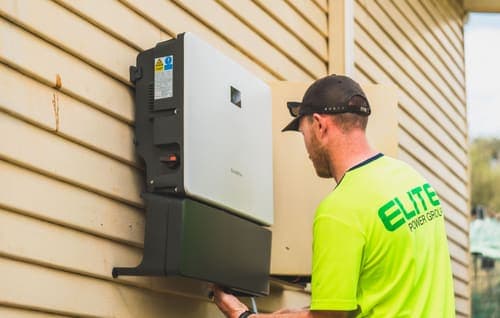
Home Standby Generator
A home standby generator is a permanent machine, not the thing you wheel out of the shed and prime with a pull cord. It sits on a pad outside, typically on the flank of the house away from bedroom windows, runs off natural gas or propane, and should give you fifteen years if the oil gets changed and the pad stays clear of mulch and wasp nests.
Sizing is where a home generator installation goes sideways. Put in a unit somebody grabbed off a shelf without walking your house first, and you learn about it during the first thunderstorm that drops a pole on your street, when the AC compressor and the well pump try to start in the same second and the generator stumbles. A whole house generator only deserves the name if it was matched to the actual house it's bolted to.
What moves the number is unit size, the distance from the meter and panel out to that pad, and whether your gas supply can feed it. Plenty of folks reach us through our local solar installation service and ask which makes more sense on their lot.
Automatic Standby Generator
An automatic standby generator is the one that doesn't need you home to work. It watches the utility feed, and when it drops it cranks itself in under a minute, runs the house, then shuts down and hands things back when the line comes live again. No cords across the kitchen floor, no standing out in a storm with a flashlight in your teeth.
Most of a home standby generator install is the part nobody sees. A flat pad on compacted gravel, clearance from windows, doors and dryer vents so exhaust goes where it should, and a gas line sized for the engine at full load instead of whatever was already in the ground. Starve that line and the motor stumbles the second the air conditioning kicks on.
I won't set a unit on bare dirt. Red clay moves after a wet week, the pad tilts, and the fuel connection is what takes the strain.
Home Generator Transfer Switch
The home generator transfer switch is the part that decides whether your standby unit is a real backup system or an expensive lawn ornament. It watches the utility feed, and the second that drops it opens the connection to the street before it closes the one to the generator. That order matters.
A switch wired backward can shove power back out onto a line a utility crew is working on, and nobody wants to be the reason for that phone call.
So on every home generator installation we do, the switch goes in a weather-rated enclosure close to the meter, lugs torqued to spec, and the neutral handled the way your particular setup calls for.
You've got two roads: a service-rated switch that carries the whole house, or a smaller panel feeding just the circuits you'd miss. Which one you pick, the conduit run, and the age of your existing panel all push the cost around. With an automatic standby generator, nobody touches a handle. It transfers itself while you're still hunting for the flashlight.
Solar Backup Generator
A solar backup generator is a battery bank, a hybrid inverter and your rooftop array working as one system, so the sun refills the batteries the next morning instead of you standing in line for gasoline. We size it around what you actually want running when the grid quits: refrigerator, well pump, a couple of lighting circuits, the router, maybe one air handler.
Cooling a whole house through a humid July night takes more battery than most folks picture, and battery count is the single biggest thing that pushes the cost of this kind of home generator installation up or down, along with whether your existing inverter can take batteries or has to be AC coupled instead.
The wiring side needs a critical loads subpanel and a home generator transfer switch, so your batteries can never shove power back onto a line a utility crew is touching.
Undersize the battery and you learn about it in the dark, during the storm.
Whole House Propane Generator
A whole house propane generator is what we install when there's no gas main at the curb, which covers plenty of houses out past the loop on well water and a septic field. Propane also sits in a tank for years without going stale, so the fuel is still good the night the lights quit.
Tank sizing is where these jobs go sideways. A generator under load pulls hard, and a 120-gallon bottle that keeps your water heater happy will starve a 22kW unit the second the AC compressor kicks in. We size the tank, the regulator and the line for the generator's full draw, usually a 500-gallon tank on a pad with properly sized pipe to the set.
Undersized pipe is the classic miss: the engine surges, the controller faults, and the house goes dark anyway.
Cost swings on tank size, own versus lease, how far the tank sits from the generator, and whether we're trenching red clay or chipping rock.
What the job involves
Home generator installation is about a third electrical work, a third gas work, and a third setting the machine on something that will not move. We start by adding up what actually has to keep running when the power quits, because a house with two heat pumps and a well pump is a different sizing job than a house with one small unit and city water.
Then we pick the spot, with the clearances the manufacturer wants from windows, doors, dryer vents and the meter, and we set the generator on a pad over compacted stone. Red clay shifts, and a unit that settles starts tugging on the flex connector and the conduit.
Then fuel. A whole house propane generator needs a line sized for what the engine pulls at full load, not whatever was already feeding the grill. Undersize it and the thing fires, takes the house, and stalls out half a minute later. We permit the work, get it inspected, and test it under real load before we pack up.
What it costs
What it costs on a home generator installation comes down to a handful of things, and sizing is the big one. A unit that carries the whole house, well pump and all, costs more than one feeding a subpanel with just the circuits you actually miss when the lights go out.
Then there's the gas: a short run from the meter to the pad is cheap, and a long run means bigger pipe and a trench through Birmingham red clay that sometimes hits rock a foot down. Setting a propane tank adds to it. So does an electrical panel already full, or one that can't carry the new load without work ahead of the generator. A solar backup generator changes the math again, since batteries take part of the job.
Call us with your address and what you want kept alive, and we'll come look at the meter, the panel and the ground, then give you a real number for your house.
When home generator installation is the wrong fix
Let me talk you out of it in a couple of cases, because home generator installation is the wrong first move more often than you would think.
If your breaker box is a crowded old panel with tandem breakers doubled up and a bus bar that's gone brown, the generator is not the job. Bolting a transfer switch onto a box that has no room left just parks a new load on top of an existing fault, and the fault wins. That's an electrical panel upgrade first, then we talk backup.
If the complaint is really that your array stopped producing after the last round of hail, you need solar panel repair, not a second power source sitting beside the AC pad.
And for a hunting camp or a place with no service line at all, a machine you feed fuel every day is a chore, not power. That's off grid solar system work, panels and batteries sized to what you actually run. No gas main on the street either way, so a natural gas generator for home use is already off the table.
Why choose us for this
You've already had one quote for home generator installation, and the number the salesman said standing in your driveway is not the number that showed up on paper. That's the part you're dreading. Not the generator.
The cheaper bid usually gets there by leaving things off the sheet. Gas line sizing is the big one. A natural gas generator for home backup pulls hard when it fires, and if the line feeding it is undersized, the unit surges, stumbles and shuts down the first time your air conditioner kicks on with it.
We size the pipe and check whether the meter can feed the load before anyone signs anything, because finding out afterward means opening the trench twice.
What moves your price is how far the pad sits from the panel, what the gas run costs to get there, and whether the utility has to touch the meter.
We'll come look, and the estimate costs nothing whether you book or not.
Frequently asked questions
How much yard does home generator installation tear up?
Less than people expect. The unit sits on a pad, usually within a few feet of the gas meter, and we run a trench about eighteen inches deep back to the house for the fuel line and conduit. That strip gets backfilled, tamped and seeded. In the red clay and chert around here, hand digging near existing water and irrigation lines slows us down more than the machine work does.
What changes the whole house generator cost installed?
Three things, mostly: the size of the unit, how far the pad sits from your meter and panel, and whether your gas service can actually feed it without an upgrade. Rock, long runs under a driveway, and older panels that need work first all push it up.
Is a standby unit really better than a portable?
Yes, because it starts itself. A portable means going outside in an ice storm to pull a cord and string cables through a window. A standby sits on its pad, self tests weekly for about twelve minutes, and feeds off the gas line already serving your house.
Contact Birmingham Solar Installation now
When you're ready, call us in Birmingham at (205) 883-0490 and we'll get a date on the calendar to walk the property with you. Home generator installation starts with me standing at your meter and your gas supply, not with a number pulled off a website. I look at where a pad can sit, how far the fuel run has to travel, and which circuits you actually care about when the lights go out.
From there you get a real plan: unit size, permit, inspection, and roughly when the equipment lands on your driveway. Popular sizes go on back-order after a rough storm season, so calling during a quiet stretch beats calling the week after a spring squall line flattens power to half the neighborhood.
Somebody is here nine to five, Monday through Friday. Leave a message and the call back comes from the owner, not a call center. If something truly cannot wait, we'll come out on a Saturday.